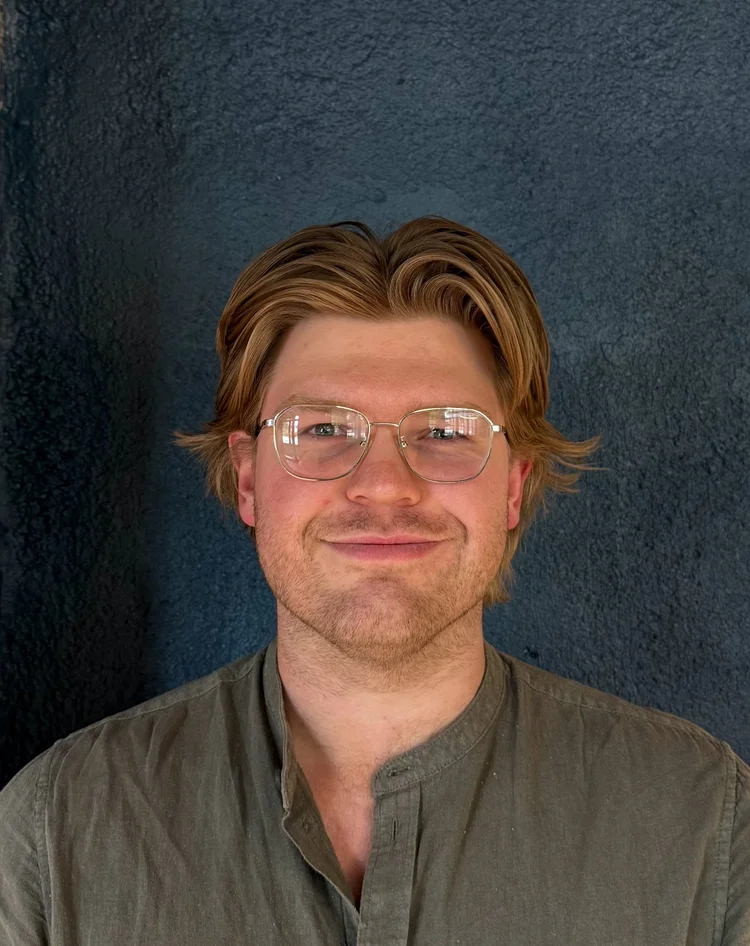
RASTECH Europe 2026: An Industry Growing Faster Than Its Rulebook?
Anders Jorud Meyer, Lead Engineer
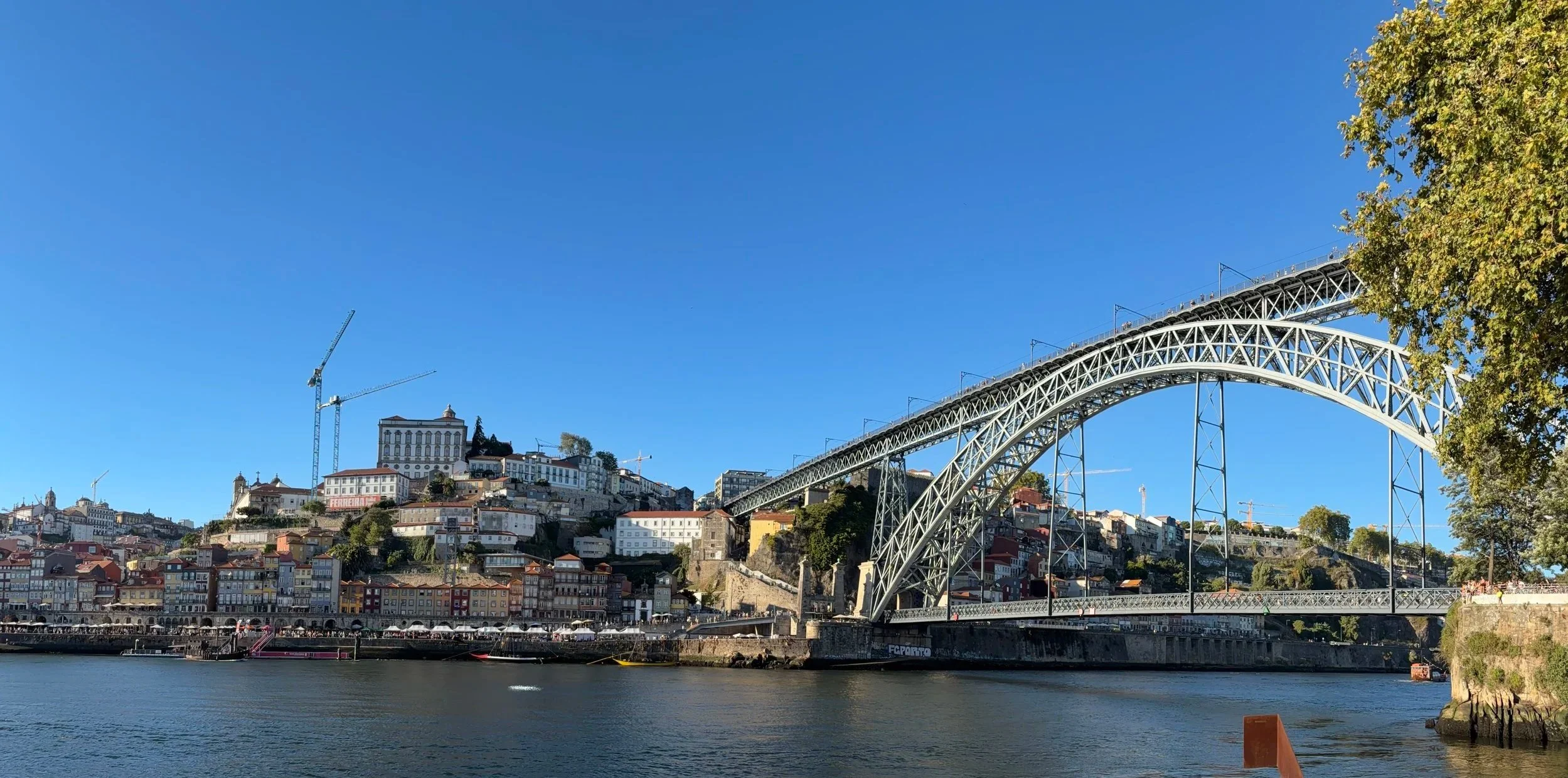
Luiz I Bridge crossing the river Douro. Photo: Anders Jorud Meyer
RASTECH has been held in North America for seven years. This September it crossed the Atlantic for the first time, landing in Porto for RASTECH Europe 2026 — and for those of us working in land-based aquaculture, it was worth the trip.
Two days, two tracks, and a room full of operators, engineers, researchers, biologists, and technology providers from across Europe and other continents. Topics like off-flavor management, biofiltration capacity, renewable energy, waste processing, and a push into species beyond salmon like seriola, shrimp, and Mediterranean species told one part of the story. The conversations in between sessions told the rest.
An optimistic industry
The dominant mood in Porto was optimism. Land-based RAS is no longer being pitched as a future alternative to open-net farming — it's being built, funded, and diversified right now. The interest in expanding beyond salmon, into new species and new markets felt like a sign of an industry maturing past its first, narrow use case.
"RAS is finally being talked about as a living system, not just a set of chemistry parameters."
This maturity showed up in people’s discussions about microbiology. A few years ago, RAS conversations centered almost entirely on water chemistry — ammonia, nitrite, oxygen, pH. In Porto, microbiology and species diversity within the system were treated as first-class concerns. Understanding and managing the microbial community in a RAS facility is increasingly seen as being as important as managing its chemistry. Both for the fish and the biofilter.
The worry under the optimism
Underneath that confidence sat a real concern: regulation. The EU's regulatory pace was a recurring topic in hallway conversations, and not always a comfortable one. An industry innovating and scaling at start-up speed is running into frameworks that weren't built with that pace in mind. Nobody at RASTECH was arguing against sound regulation — the concern was about a gap widening between how fast the technology and the businesses are moving, and how fast the rules meant to govern them can keep up.
The number that didn't make the keynote slides
There's a harder truth that sat alongside all the optimism, and it's one worth saying plainly: mortality in land-based RAS facilities is still too high. The industry now has better sensors, better software, and a better biological understanding of these systems than ever— and yet survival rates in far too many facilities don't reflect that progress.
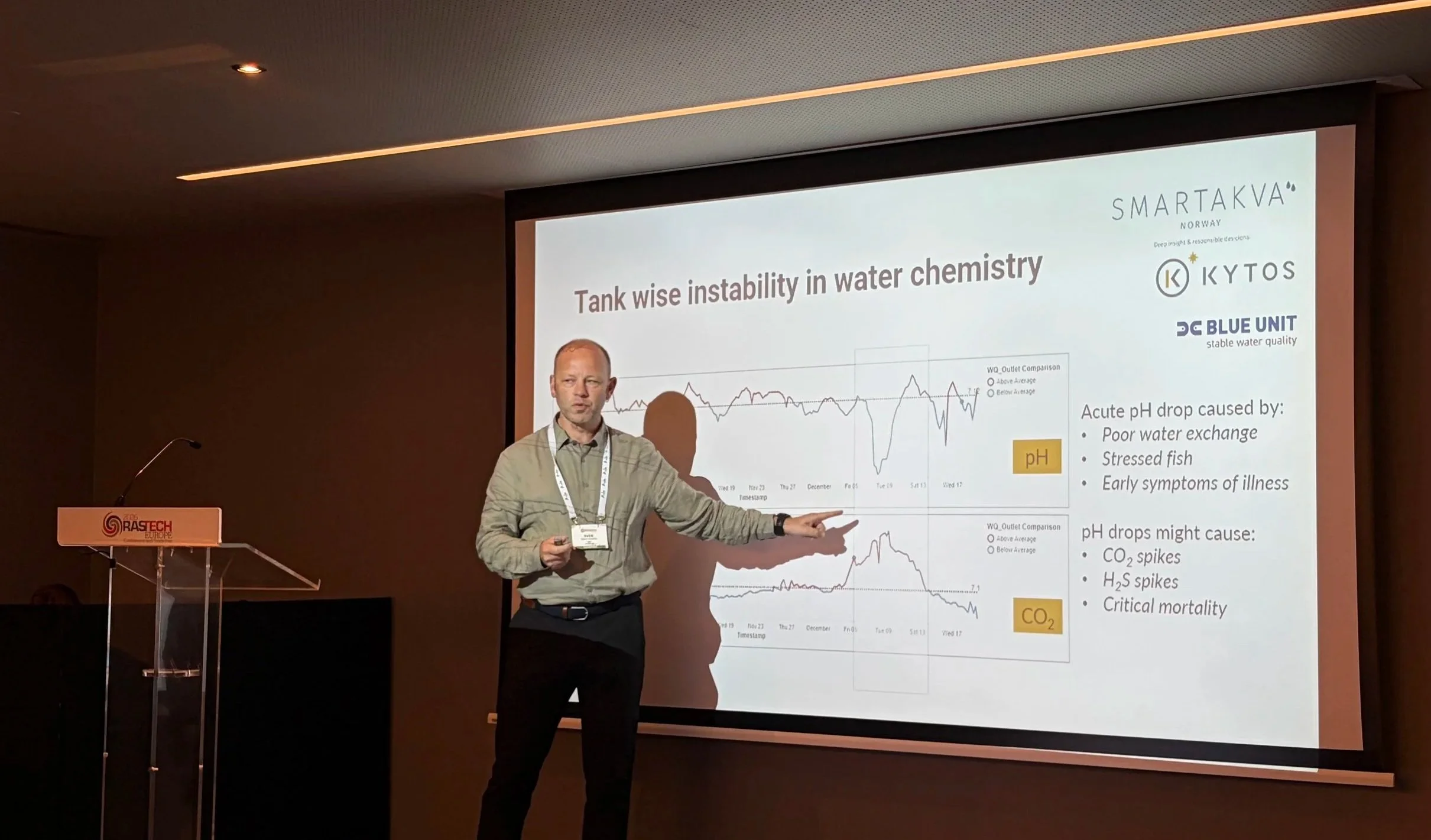
SmartAkva COO, Svein Martinsen, describing the benefits of tank-wise measurements using the Blue Unit technology at RASTECH, Porto 2026. Photo: Anders Jorud Meyer.
This is the gap we spend our time trying to close. At SmartAkva, using available sensor and sampling technology, tank-by-tank water quality monitoring gives operators a semi-continuous story of their environment. KYTOS adds microbiome fingerprinting, so microbial health stops being a blind spot. And VitaLab stitches the biology, water chemistry, and microbiology data together into something a facility manager can actually act on — because more data only helps an operation if someone can digest it fast enough to take action before a problem becomes a loss.
An open question
We left Porto energized, but also with a question we don't think has a settled answer yet: is the persistent mortality problem in land-based RAS mainly a technology gap, a knowledge gap, or an operations gap? Our instinct is that it's some of all three — but the honest answer probably differs facility by facility.
Curious about how tank-wise water quality and microbiome monitoring fit together in your facility? Get in touch with the SmartAkva Team to start the discussion!